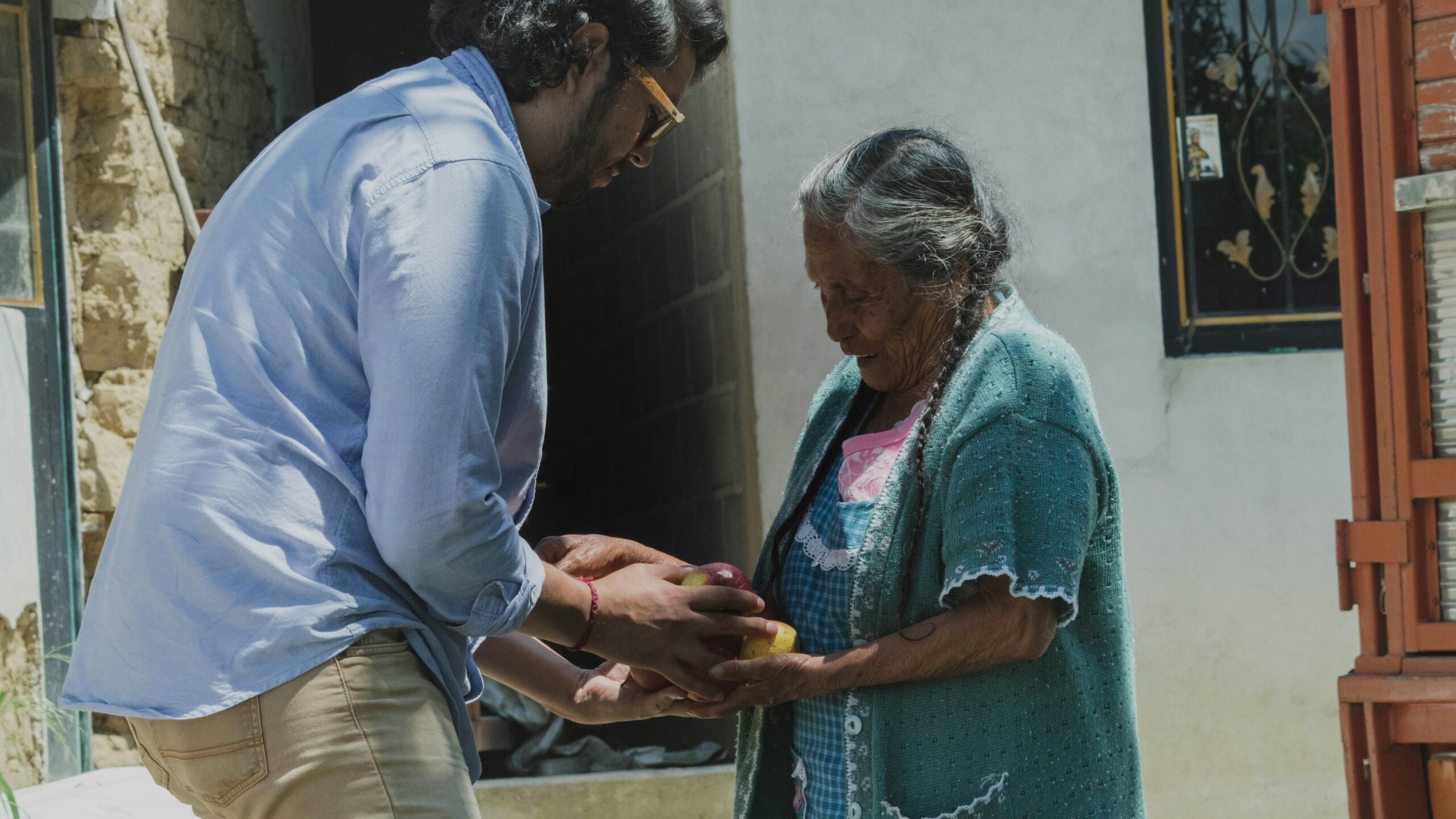
Philanthropy is often associated with large donations and public recognition. However, generosity lives most powerfully in everyday behavior. When people expand the meaning of philanthropy, they discover countless ways to give. This broader view removes barriers and invites participation. As a result, giving becomes personal and consistent. Every day choices begin to reflect concern for others. Philanthropy then shifts from an abstract idea to a lived experience that shapes daily life.
Setting Daily Intentions That Encourage Giving
Intentions guide actions. Therefore, beginning each day with a commitment to act generously changes outcomes. When people set clear intentions, they approach tasks and interactions with openness. Challenges feel less overwhelming because purpose provides direction. Moreover, intention heightens awareness. People recognize opportunities to help more quickly. Over time, this practice builds consistency. Generosity then becomes a habit that guides daily decisions without effort.
Using Attention as a Meaningful Gift
Attention remains one of the most undervalued resources. In daily interactions, offering full attention communicates respect and care. When people listen actively, they strengthen trust and understanding. This practice improves relationships and reduces conflict. Although attention requires focus, it costs nothing. Furthermore, presence allows people to respond thoughtfully rather than react impulsively. As a result, generosity expressed through attention creates calm and connection in everyday life.
Choosing Compassion in Ordinary Encounters
Ordinary encounters shape collective experience. Compassion in these moments influences mood and behavior. When people respond with empathy, they soften difficult situations. Simple gestures of understanding create a sense of safety and reassurance. Although these actions appear small, they carry emotional weight. Over time, Compassion builds stronger bonds and healthier communities. Therefore, everyday generosity often appears through patience, respect, and understanding in routine interactions.
Sharing Abilities to Empower Others
Everyone possesses abilities that can serve others. Skills developed through work, study, or experience hold value beyond personal use. When people share these abilities, they help others grow. Guidance, support, and encouragement create momentum. Moreover, sharing skills builds collaboration and mutual respect. This approach transforms daily exchanges into opportunities for empowerment. As a result, generosity becomes both practical and impactful.
Aligning Daily Choices With Personal Values
Daily choices reflect values more clearly than words. Decisions about spending, time, and attention influence broader outcomes. When people act consciously, they support positive change. Although these choices feel routine, their consistency matters. Over time, intentional decisions create a steady impact. Furthermore, alignment between values and actions strengthens integrity. Philanthropy then blends seamlessly into everyday life through mindful behavior.
Leading by Example in Acts of Giving
People notice actions more than statements. When generosity appears consistently, it inspires trust and respect. Families, workplaces, and communities respond to visible Compassion. Children primarily learn generosity through observation. However, adults also follow examples of fairness and care. As generosity spreads, it creates shared standards. Consequently, individual actions influence collective culture and encourage broader participation.
Protecting Balance to Sustain Generosity
Sustainable giving depends on balance. When people neglect their own needs, generosity fades. Therefore, caring for personal well-being supports long-term giving. Balance preserves energy and clarity. Moreover, boundaries protect generosity from becoming an obligation. When giving feels natural, it remains joyful. As a result, people maintain consistency and enthusiasm in their efforts to help others.
Reflecting to Deepen Daily Generosity
Reflection strengthens generous habits. By acknowledging moments of giving, people reinforce their sense of purpose. Reflection also encourages gratitude and awareness. It highlights connection and shared experience. Even modest actions gain meaning through reflection.
Furthermore, reflection supports growth and learning. Over time, generosity becomes part of identity rather than effort. This awareness sustains daily commitment to giving.
Creating a Life Shaped by Everyday Philanthropy
Philanthropy does not require dramatic change or recognition. Instead, it grows through small, consistent actions. Every day, generosity reshapes routine life into something meaningful. These actions accumulate into a lasting impact. Moreover, generosity enriches both the giver and the receiver. It builds connection, purpose, and balance. Ultimately, when people embrace philanthropy in everyday moments, they create lives defined by Compassion and shared responsibility.